PRESS RELEASE | Geneva, 5 November 2026
Having preserved several thousand recordings since 2013, including a selection of 24 historic productions from the Grand Théâtre de Genève over the past two years, the United Music Foundation now risks losing its CHF 51,000 municipal grant, with no replacement funding announced to enable this work to continue.
According to the 2026 budget, the City of Geneva allocates more than CHF 318 million to its Department of Culture and Digital Transition. Yet part of the city's musical memory is at risk of disappearing unless it is preserved in time. The proposed elimination of the United Music Foundation's grant from the 2027 draft budget raises a question that goes far beyond the funding of a small foundation: who will preserve the historic recordings held by Geneva's cultural institutions before it is too late?
Several thousand historic recordings preserved
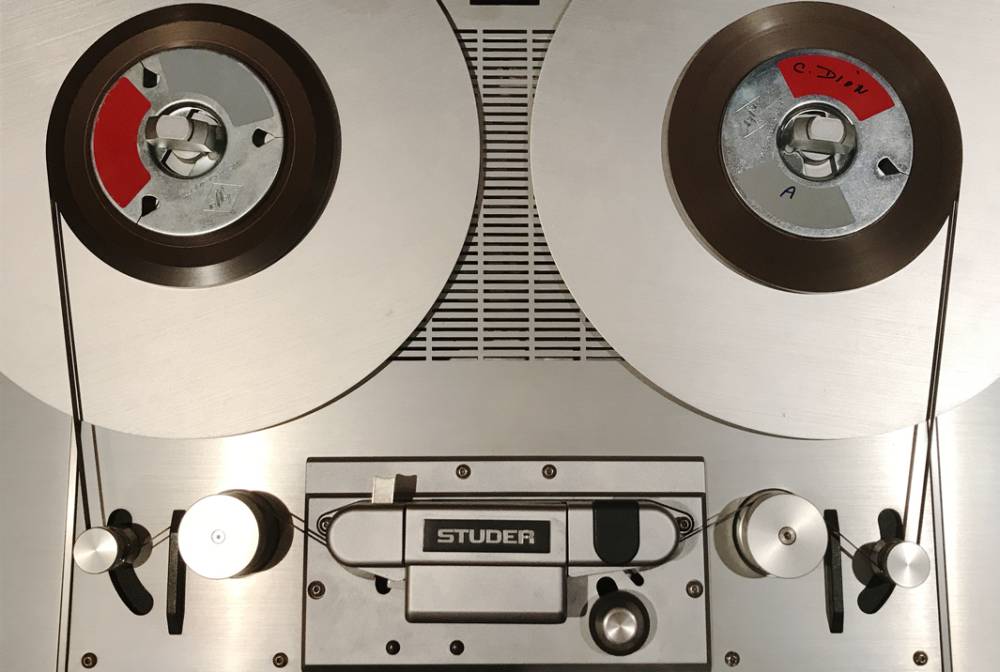
What do the Orchestre de la Suisse romande, Céline Dion, Pink Floyd, Sidney Bechet, Maria Callas, Geneva pianist Henri Chaix, Nicole Croisille, Petula Clark and Luciano Pavarotti have in common? The United Music Foundation has preserved recordings by all of them, among several thousand sound recordings, many previously unreleased and at risk of disappearing.
Established in Geneva in 2013 to address a gap in the preservation of recorded musical heritage, the Foundation responded to a shortcoming that Sami Kanaan, then the city executive responsible for culture, publicly acknowledged in 2022, describing this field as “an area that is virtually not covered at all”.
One example illustrates the importance of this mission. In an official statement submitted to the Geneva Grand Council on 19 April 2021, the Grand Théâtre de Genève acknowledged that, although its sound archives had been identified and catalogued, no digitisation policy was in place because of a lack of human and financial resources.
This situation prompted the United Music Foundation to approach the Grand Théâtre de Genève, leading to a collaboration that enabled the preservation, in 2025 and 2026, of a selection of 24 opera productions recorded between 1970 and 1997. Some of the magnetic tapes already showed significant signs of deterioration.
This work was made possible by the City of Geneva's grant.
Rare technical expertise developed in Geneva
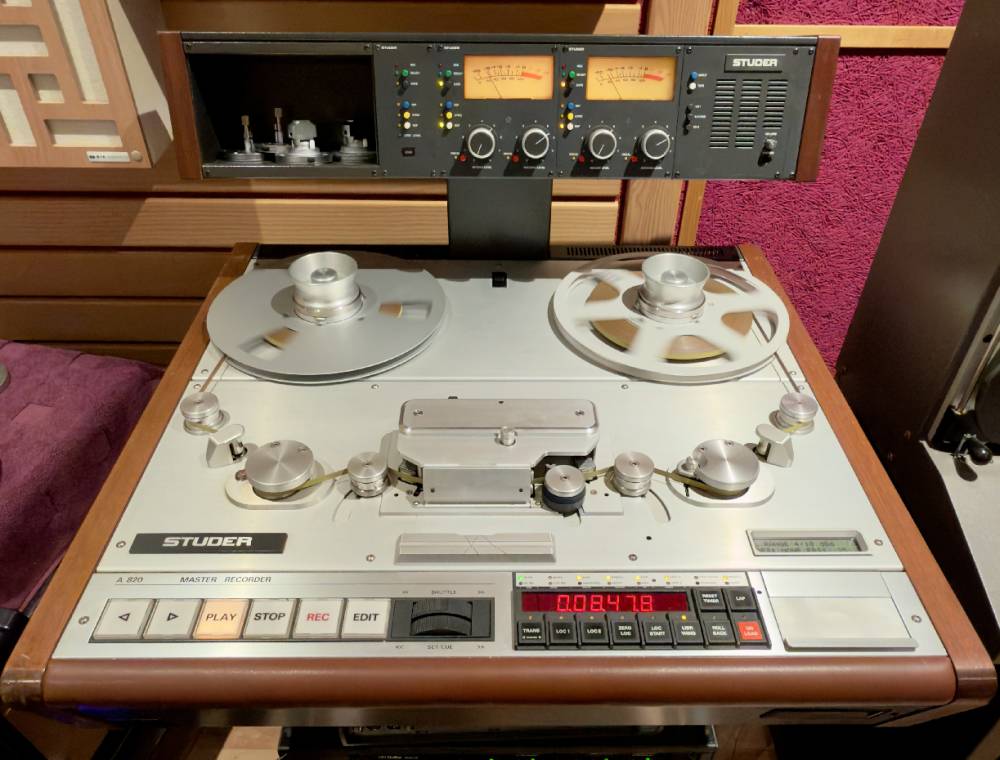
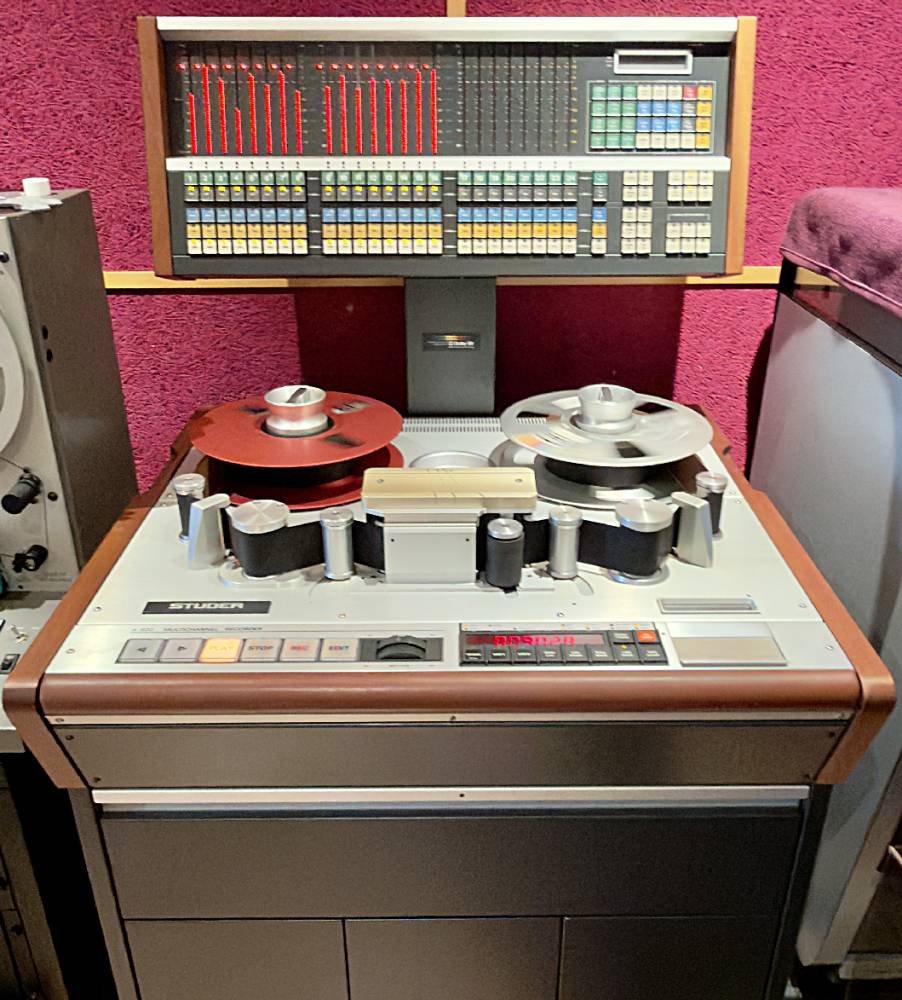
The United Music Foundation has state-of-the-art equipment and specialist expertise to preserve professional recordings made in studios, at concerts or during opera productions. Its work includes analogue and digital magnetic tapes, including multitrack recordings. Some of these media, occasionally unique or severely deteriorated, require specialised playback techniques.
This work goes well beyond straightforward digitisation: it involves identifying deterioration, adapting playback procedures and, where necessary, developing specific solutions to recover recordings at risk of being lost.
The Foundation draws on expertise acquired since the 1980s and on specialised equipment whose acquisition and development required substantial investment, made possible in particular through the support of private foundations and organisations.
The United Music Foundation works in a complementary role alongside the Swiss National Sound Archives and the association Memoriav, which also highlights its projects on the occasion of UNESCO's World Day for Audiovisual Heritage.
A service to institutions and the wider community
The preservation of sound archives is an activity that is largely invisible to the general public. Yet it is an essential prerequisite for their future consultation, study, appreciation and accessibility, subject to applicable rights.
In addition to the Grand Théâtre de Genève, the Foundation has also carried out preservation work free of charge for other Geneva institutions, notably the Museum of Ethnography and the Museum of Art and History.
By pooling specialised skills and equipment, it enables these institutions to preserve their archives without each having to establish its own infrastructure or necessarily entrust its recordings to service providers abroad.
The City of Geneva's support thus contributes directly to preserving the heritage of its own cultural institutions and, through them, benefits the wider community.
The small number of paid services provided by the Foundation also helps finance its heritage preservation mission, in a spirit of complementarity with other organisations in the sector, both public and private.
International scientific and professional recognition
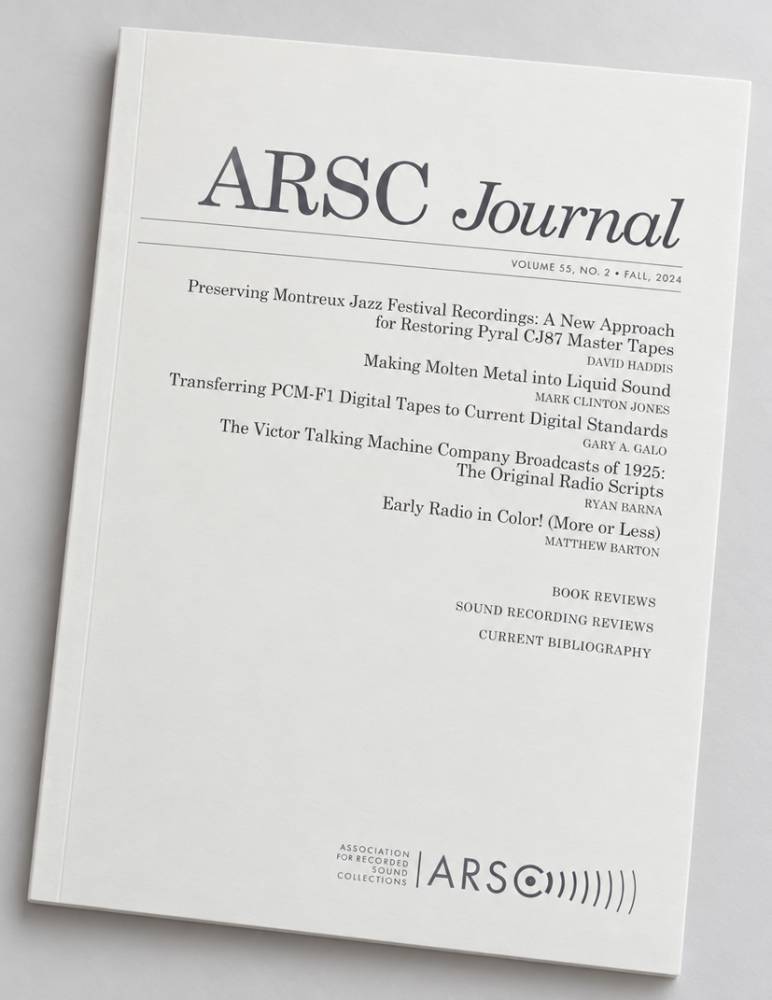
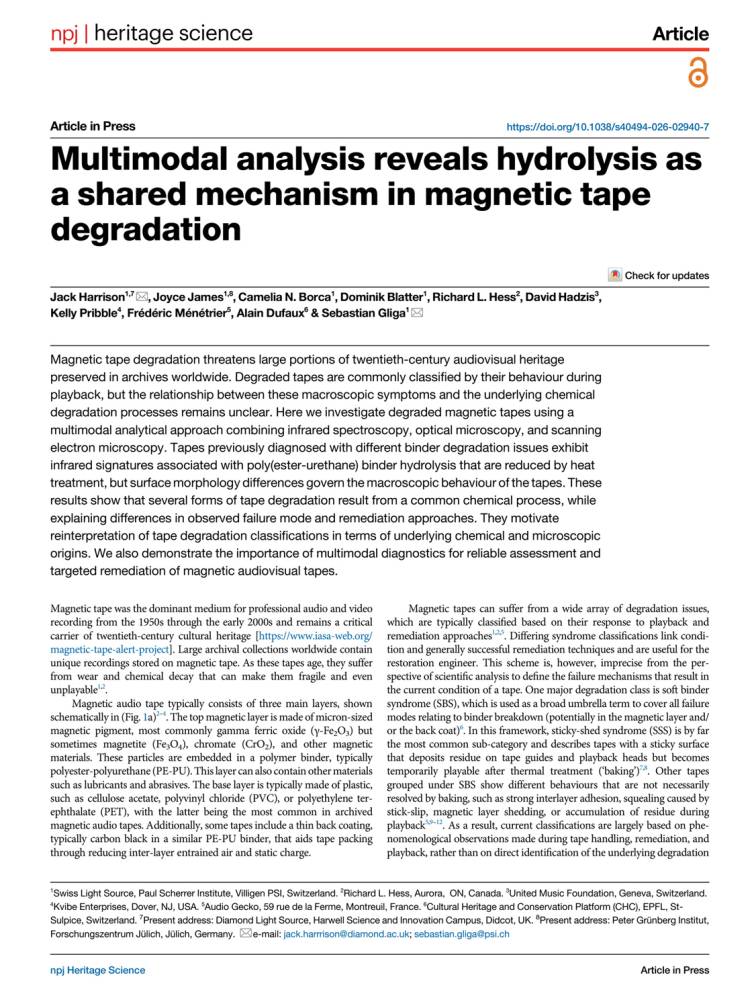
The United Music Foundation's work on deteriorated magnetic tapes from the Montreux Jazz Festival led to an initial publication in 2024 in the ARSC Journal, an American scholarly journal specialising in the study and preservation of sound recordings. An in-depth study of the deterioration mechanisms affecting these tapes, conducted with the Paul Scherrer Institute, EPFL and international researchers and specialists, was subsequently published in 2026 in npj Heritage Science, a Nature Portfolio scientific journal devoted to cultural heritage conservation.
The Foundation has also received the Memoriav – Swiss Commission for UNESCO Award and the Best Reissue Award from the Académie du Jazz. It is the only Geneva-based organisation to have received both awards.
A funding cut that contradicts the City's commitments
On 27 May 2024, Geneva's Municipal Council adopted motion M-1567, “For the protection of recorded musical heritage: the City commits itself”, calling in particular for financial support for Geneva-based organisations specialising in this mission.
More significantly, in its official response to the motion dated 15 May 2025, the City Executive acknowledged that “the need for preservation work is unanimously recognised” and confirmed the United Music Foundation's expertise, particularly in view of the professional awards it had received.
While several Geneva cultural organisations face partial reductions in their grants, the United Music Foundation faces the complete withdrawal of its funding: the CHF 51,000 previously allocated to it would disappear entirely from the 2027 budget, a 100% cut, with no replacement funding announced.
This is therefore not simply a matter of changing the recipient of public funding: the continuity of public support specifically dedicated to preserving recorded musical heritage is being called into question.
A constitutional and legal responsibility
This proposed cut also raises a more fundamental question: that of the responsibilities of public authorities in preserving cultural heritage.
Article 217 of the Geneva Constitution provides that the State is responsible for preserving and enhancing cultural heritage. Article 19 of the Law on the Promotion of Culture and Artistic Creation (LPCCA) specifies that preservation and enhancement are complementary responsibilities of the Canton and the municipalities.
How, then, can the elimination of funding dedicated precisely to this mission, whose necessity has been officially acknowledged, be justified when no equivalent solution has been announced?
This question is all the more legitimate given that neither the City nor the Canton has yet provided a sufficiently structured and sustainable response to the full range of needs involved in preserving recorded musical heritage.
Local expertise that could disappear
Beyond the CHF 51,000 at stake, the removal of this grant risks the loss of a specialised preservation capability unique in Geneva for historic recordings, particularly those held on severely deteriorated media.
This capability rests on equipment assembled since 2013 and expertise developed over several decades. Rebuilding it would be particularly difficult and costly.
Meanwhile, magnetic media continue to deteriorate. And no future grant, however generous, will be able to recreate recordings that have been lost forever.